
If you're reading this, you've at least survived the onslaught of refined carbohydrates, meats, dairy and other stuff that probably doesn't make your tummy feel so good. Congratulations!
Here are my top 3 Plant-Based Recipes to help you feel better again after Thanksgiving.
MISO TEA
This couldn't be more simple. Just mix 1 TBSP miso paste with about 1/3 cup of hot water in the bottom of your favorite mug until it's nice and smooth. Then add enough hot water to fill the rest of your mug, stir well, and voila! There you have it - the most nourishing, gut-restoring comforting breakfast beverage you could ask for.
Ingredients:
1 TBSP Miso Paste
8 - 12 oz Hot Water
To learn more about Miso, and my favorite brand called South River Miso (available at most health food stores), check out this awesome video.
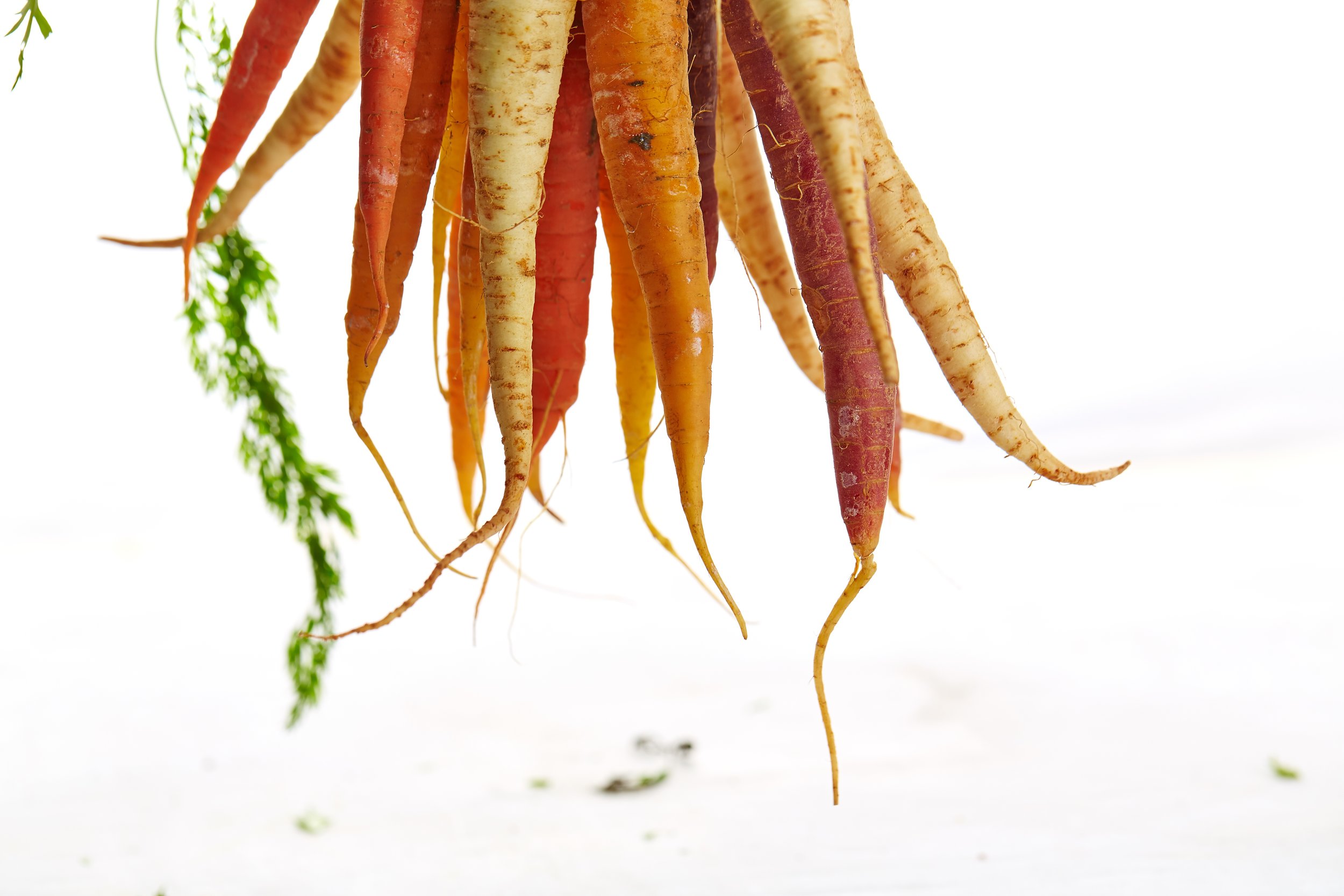
BEET & CARROT SALAD
This vibrant, colorful, and delicious salad is good for cleansing the blood of impurities and gently, gradually detoxifying your liver. When you’re recovering from a sugar overload, or a meal that weighed your down, this recipe is a savior. It’s also great for all kinds of skin conditions, from acne and rosacea to psoriasis and eczema. It’s light and flavorful and can be eaten as often as once a day.
Ingredients
2 organic beets, peeled and shredded
2 organic carrots, shredded (you can leave the peels on!)
1 bunch of organic cilantro, chopped, with most of the stems discarded
For the dressing
1/2 cup tahini
1/4 cup lime juice
2 tablespoons grated fresh ginger
1 tsp agave nectar
1 tsp ground cumin
1/8 tsp paprika
salt to taste
Directions
- Combine the beets, carrots, and cilantro in a medium sized mixing bowl
- Pour your desired amount of dressing over the veggies and stir well. You can use as little or as much dressing as you like.
- Enjoy!
EASY KITCHARI WITH SWEET POTATO & GREENS
I learned how to make Kitchari, a simple rice and bean dish, while studying Ayurveda in New Mexico more than 10 years ago. This amazing food can help to re-set our digestion and calm the stomach. It's the staple food of Ayurvedic mono-fasts, which are recommended at least once a year. But even if you're not about to make that commitment (and you shouldn't without guidelines or guidance), this recipe is a life saver any time your belly, or your energy in general, feels off.
To learn more about what makes Kitchari so special, check out this informative video from one of my favorite Ayurvedic Practitioners, Dr. John Duillard. He explains how long grain basmati rice is better than brown rice in this case, and how certain beans are better for us than others. He'll talk about using Mung beans, but I've noticed that split red lentils are just as great, if not better, because they have more iron and cook much faster.
Dr. John will talk about how Kitchari can "heal and repair your intestinal mucosa." Yes, please!
And he'll also explain that when we eat easily digested foods like, Kitchari we "allow the body to get deep deep rest. When the body gets deep rest, then the nervous system can disarm itself, and de-toxify itself in a bigger and more powerful way."
serves 4
Ingredients
1 sweet potato
1/2 bunch of kale or other dark leafy green
1/2 of a large onion
1/2 cup basmati rice
1/4 cup red lentils
1 TBSP + 1 TSP sunflower oil or ghee
1/2 cup dried coconut flakes
1/2 tsp whole cumin seeds
1 pinch of hing (asafoetida)
1 bay leaf
1/2 tsp freshly ground black pepper (or whole peppercorns if you prefer) 1 tsp turmeric powder
approximately 4 cups of water
salt to taste
fresh lemon juice to taste (about 1 whole lemon for the whole pot, or can just serve slices of lemon on the table for everyone’s own delight) Cilantro to garnish
Preparation
1. Peel and cut 1 sweet potato into small 1 inch cubes. Set aside
2. De-stem and break 1/2 bunch of kale or other dark leafy greens into small bit sized pieces or long strips. Set aside
3. Dice 1/2 of a large onion into small pieces. Set aside.
4. Dry roast (no oil in the pan) the coconut flakes by adding to a small cast iron skillet over medium heat and roasting until they have turned slightly brown. Be careful not to burn.
Directions
1. Pour 1/2 cup dry basmati rice and 1/4 cup dry red lentils into a colander and rinse
2. In a 4 quart saucepan, add 1 TBSP sunflower oil or ghee, and warm the oil over medium heat
3. Add 1/2 tsp of whole cumin seeds and 1 pinch of hing. Stir and let the seeds sizzle for 1 minute or until fragrant an slightly brown
4. Add the rinsed rice and lentils and about 2 cups of water. Set a timer for 30 minutes.
5. In a small cast iron skillet, saute the onion, bay leaf, cinnamon stick, and black pepper in 1 TSP sunflower oil or ghee, until the onion turns translucent. Set this spice mixture aside
6. After 15 minutes of timer passes, add the chopped sweet potato into the rice and dal mixture, and 1 or 2 more cups of water, and cover with a lid. Continue simmering over medium low heat. Be careful not to burn.
7. When there is 3 minutes left on the timer (or when the sweet potatoes and rice and dal are 99% finished cooking), add the kale or dark leafy greens into the pot. Stir the greens into the kitchari until they are wilted and then turn off the heat to the burner.
8. Add the spices from the cast iron skillet and the turmeric. Stir well
9. Add salt and lemon juice to taste.
10. Garnish with toasted coconut and cilantro. Enjoy!

Quisque iaculis facilisis lacinia. Mauris euismod pellentesque tellus sit amet mollis.